Nigeria urged to declare state of emergency on diabetes care
Introduction
The call for a state of emergency on diabetes care has come from the Diabetes Association of Nigeria (DAN) as the country faces a rising tide of diabetes cases and related deaths. According to the association, about 11.4 million Nigerians currently live with diabetes, and the real figure could be much higher due to undiagnosed cases. This push for urgent action highlights how diabetes has quietly become one of the country’s most pressing health concerns.
DAN President, Prof Ejiofor Ugwu, revealed that over 11.4 million Nigerians are battling diabetes, stressing that the figure could be double because many people have not been diagnosed. Routine diabetes screening is still uncommon in Nigeria, and most people only find out about their condition after serious complications develop.
Health experts say Nigeria ranks among African countries with the highest rates of undiagnosed diabetes. The implication is clear: for every person who knows they have diabetes, several others may be living with it without knowing.
Ugwu explained that only about one-third of those diagnosed receive proper medical care, and just a fraction of that number achieve good blood sugar control. This means millions of people are exposed to complications such as kidney failure, vision loss, stroke, and amputations.
Diabetes is not just a health problem; it is also a financial strain on households and the healthcare system. Families spend huge amounts of money on medications, testing kits, and hospital visits. Many cannot afford regular care, leading to worsening conditions and preventable deaths. Nigeria is estimated to lose billions annually to diabetes-related complications and reduced workforce productivity.
Declaring a state of emergency on diabetes care would push the government to take stronger action, prioritising diabetes management across all levels of healthcare. It would ensure better funding for screening, affordable access to insulin and other drugs, and improved training for healthcare professionals.
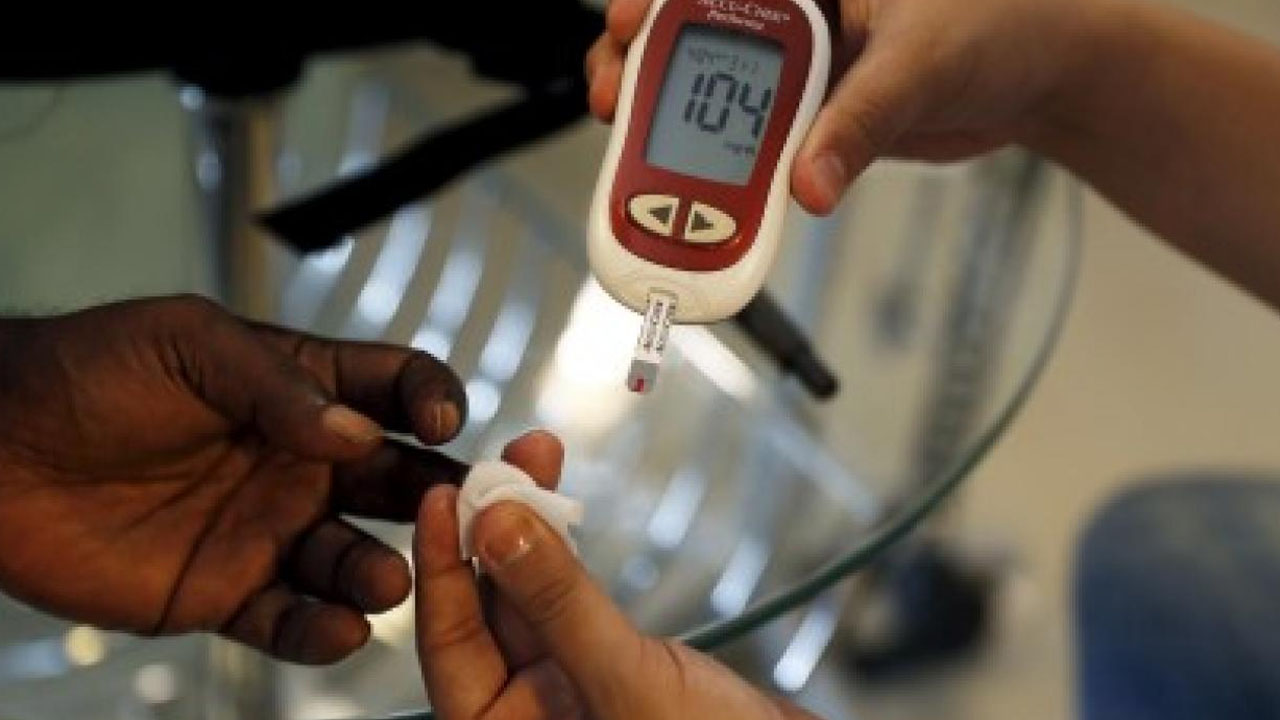
An emergency declaration would also drive more public awareness campaigns on healthy living, exercise, and diet. It would encourage routine blood sugar checks at local clinics and make diabetes testing part of every adult’s regular medical visit. Prevention would become a national priority rather than an afterthought.
Official recognition of the crisis would also improve data collection on cases, treatment success, and patient outcomes. With proper data, the government and health agencies could track progress and hold responsible bodies accountable for improving diabetes care nationwide.
Many Nigerians are unaware of diabetes risk factors such as poor diet, obesity, and lack of exercise. In rural areas, people rarely go for medical checkups, and testing facilities are scarce. To reduce undiagnosed cases, the government must strengthen primary healthcare and make testing free or very affordable.
A large number of patients struggle to buy insulin and diabetes drugs due to high prices. In many hospitals, these medications are unavailable or out of stock. Nigeria also faces a shortage of trained diabetes specialists. Addressing these gaps is crucial to saving lives.
Urbanisation and changing eating habits have worsened the problem. Many Nigerians now consume processed foods, sugary drinks, and fast food while leading inactive lifestyles. Public health campaigns promoting healthier diets, physical activity, and weight control could help reverse the trend.
In some states where diabetes awareness and screening programmes have been introduced, early detection rates have improved and complications have decreased. A similar approach at the national level could save thousands of lives. Routine screenings, diet counselling, and follow-up care could help millions manage their condition effectively.
Imagine a nationwide programme where every adult over 30 years receives a free blood sugar test annually. Early detection would mean quicker treatment and fewer severe cases. This would change diabetes from a silent killer to a manageable condition.
Declaring a state of emergency on diabetes care is no longer optional; it is a national necessity. With millions living with the disease and many more unaware of their status, Nigeria cannot afford to ignore the crisis. The government, healthcare professionals, and the public must unite to fight this growing threat. If urgent action is not taken now, the burden of diabetes will continue to weigh heavily on families, communities, and the nation’s economy.
About adminemytrends
adminemytrends is a contributor to our publication, bringing expertise and insights to our readers.